Central Wetlands Reforestation Collective
What is CWRC
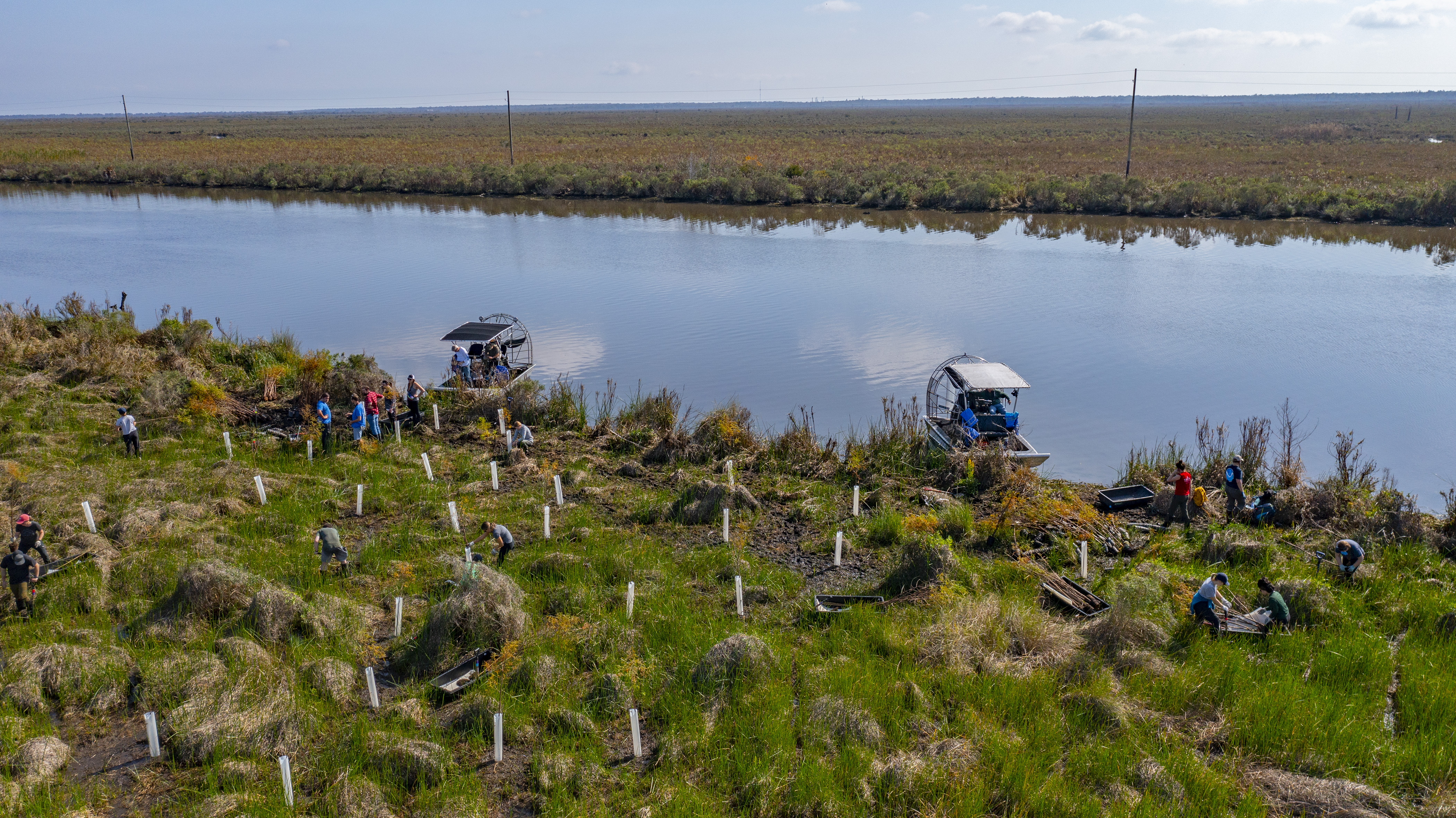
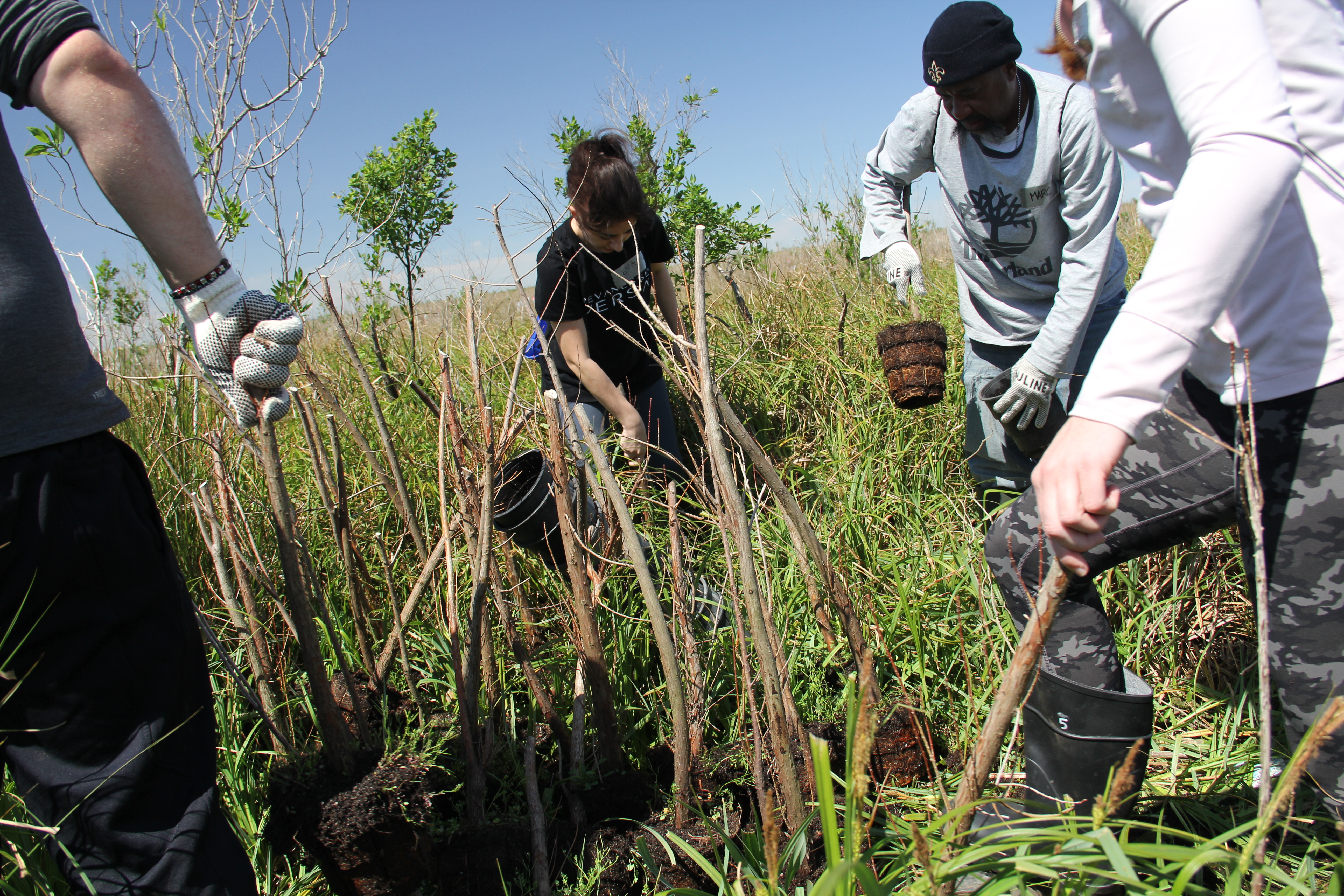
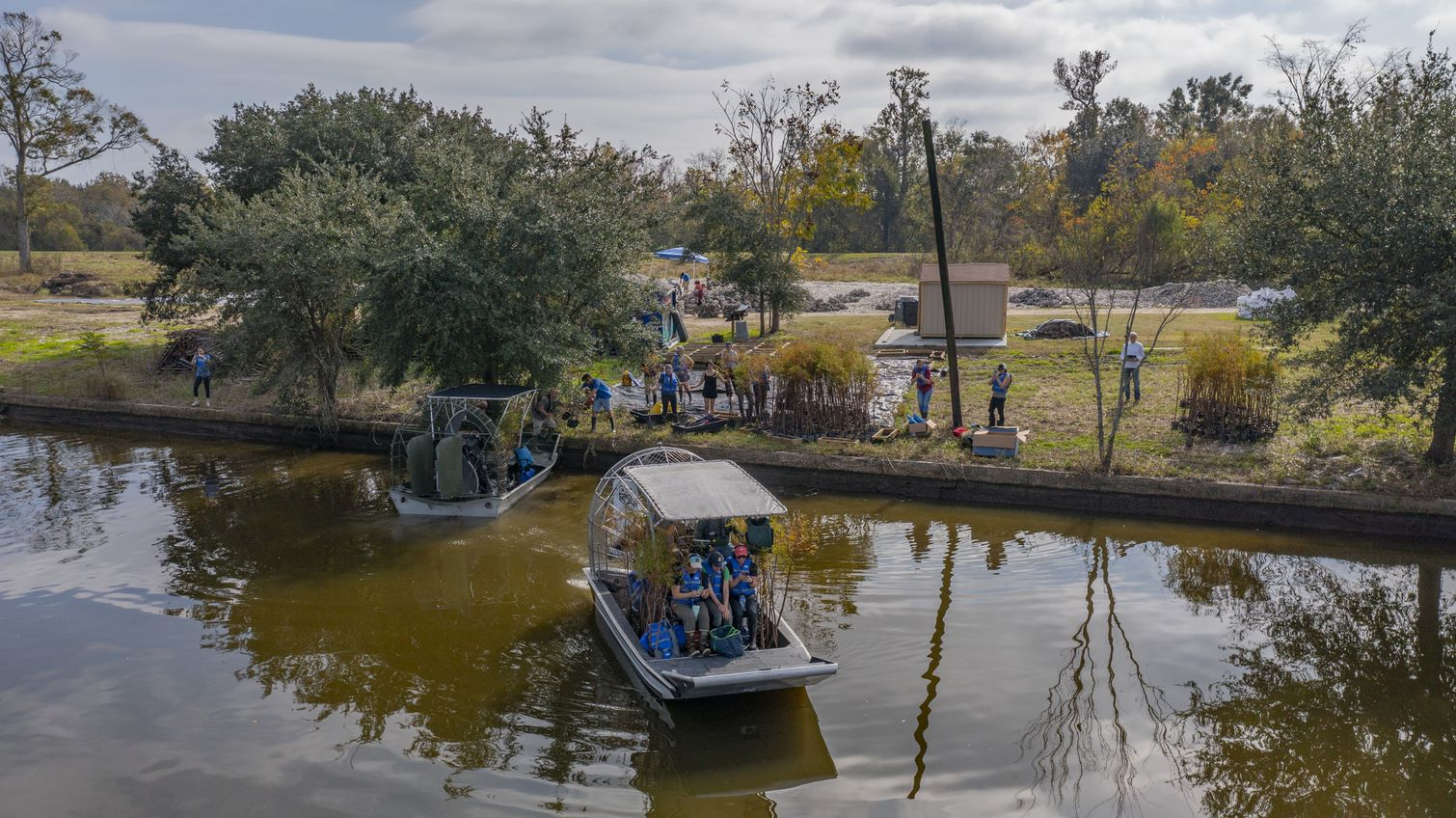
The Central Wetlands Reforestation Collective (CWRC) is a group of organizations that are re-establishing a bald cypress and water tupelo bottomland hardwood forest near New Orleans. The partners in the collective are: CRCL, Common Ground Relief, CSED of the Lower 9th Ward, Arlene & Joseph Meraux Foundation and Pontchartrain Conservancy. The project is also supported by the St. Bernard Wetlands Foundation, a critical land owner, financial supporter and founder of the efforts to reforest the Central Wetlands; the Louisiana Department of Agriculture and Forestry, which provides expertise and boats; the state’s Coastal Protection and Restoration Authority; and the National Oceanic and Atmospheric Administration.
Tree Planting
Grass Planting
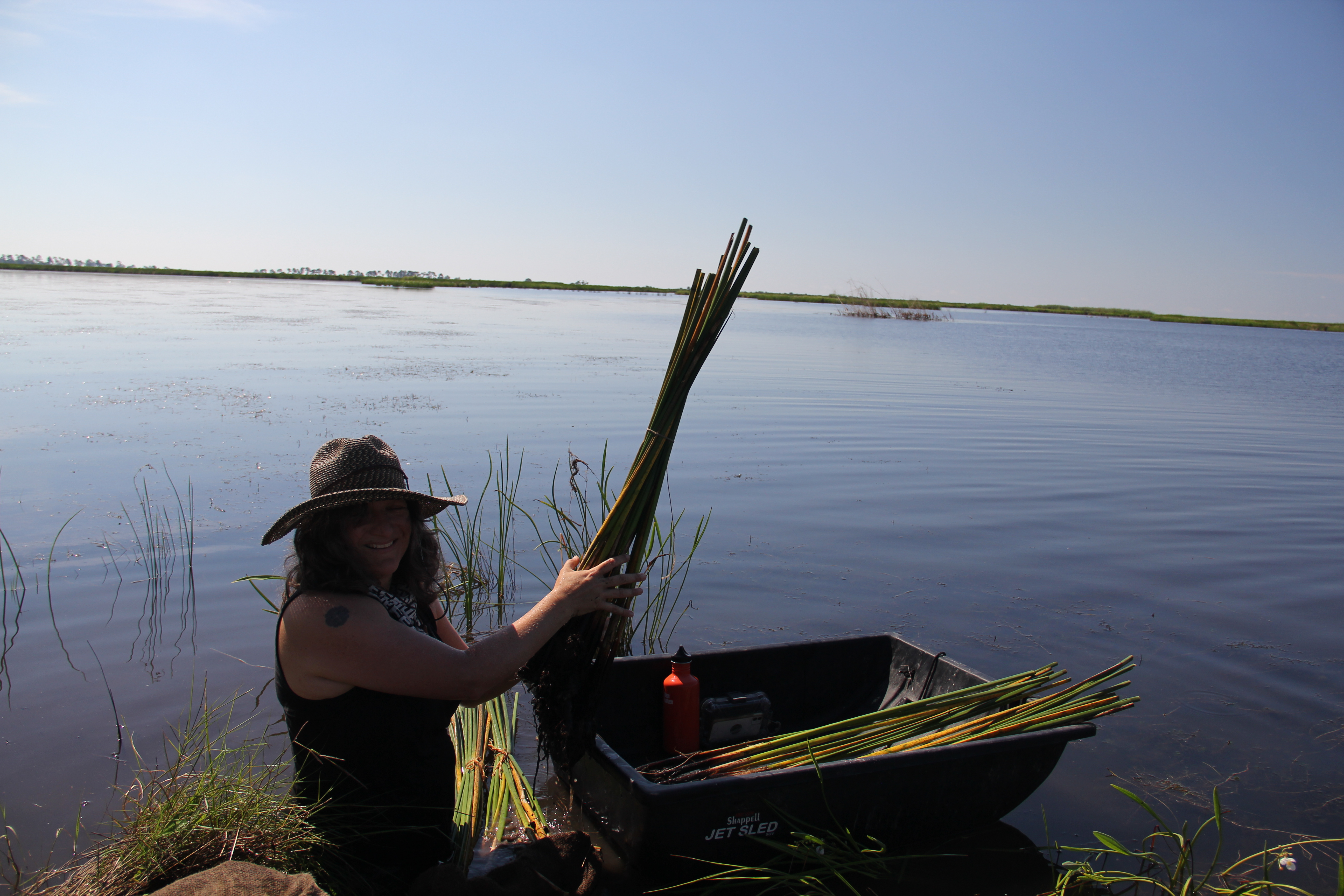
Originally formed in 2019, this collective meets regularly to amplify the impact of the work each organization does individually. Working alongside community stakeholders, this group uses native plant restoration projects to reforest the wetlands, resulting in improved ecosystem services including mitigating the impacts of hurricanes, higher quality habitat and a stronger connection between communities and the landscape. These restoration projects are a tool to build capacity in the surrounding communities by educating and engaging residents in the important work of coastal restoration.
Why it matters
About 2,000 square miles of Louisiana’s coastal wetlands have turned into open water since the 1930s. The Central Wetlands Unit has been identified as a priority restoration project in Louisiana’s Coastal Master Plan.
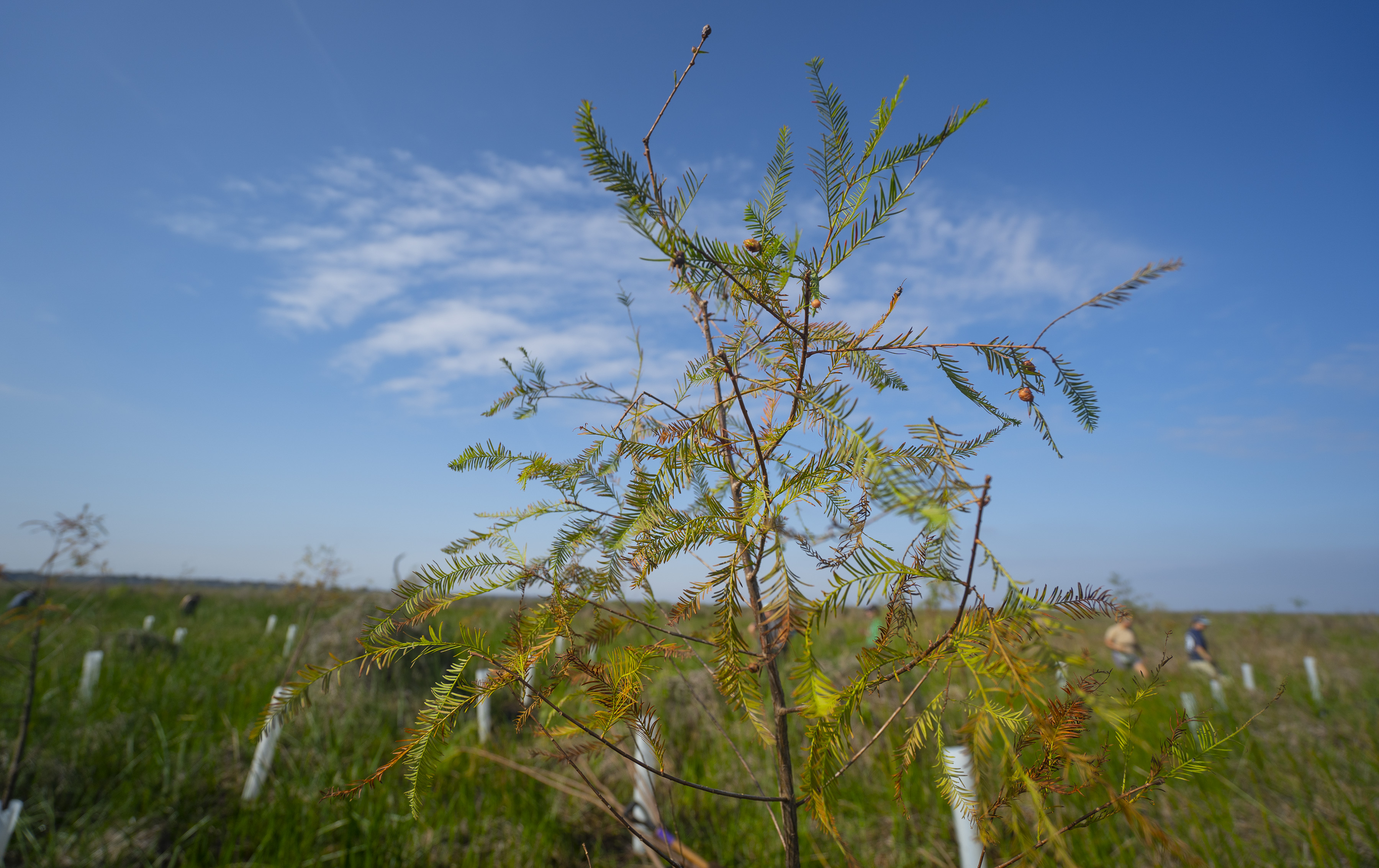
The Central Wetlands are in St. Bernard and Orleans Parishes and are bordered by the Mississippi River-Gulf Outlet (AKA MR-GO) and Hurricane and Storm Damage Risk Reduction System (HSDRRS) on the eastern side and the 40 Arpent Levee and Canal on the west side. Historically, the area was primarily bald cypress and water tupelo swamp, fresh marsh and bottomland hardwood forest. Factors including the opening of the MR-GO and heavy logging destroyed the forest that provided storm surge protection to New Orleans and St. Bernard. The MR-GO, which was blamed for helping funnel storm surge into St. Bernard Parish and the Lower 9th Ward during Hurricane Katrina, was closed in 2009, lowering the salinity of the water in the wetlands and re-creating the conditions that had existed there for centuries.
Collective Impact
PLANT MORE THAN
30,000
NATIVE TREES
PLANT MORE THAN
33,000
PLUGS OF MARSH GRASS
PLANT MORE THAN
500
TRANSPLANTS OF AQUATIC VEGITATION
ENGAGE MORE THAN
2,000
VOLUNTEERS
Visit the individual partners’ websites to sign up for volunteer events and learn how to get involved.
CWRC PARTNERS AND SPONSORS:

 HOME
HOME 